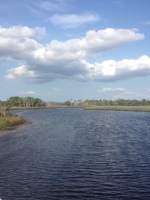
Adaptation Strategies for the Built Environment

There are several types of sea level rise adaptation strategies that are used in the planning process to assist coastal communities. Strategies for the built environment can be categorized into three groups based on their objectives:

1. Accommodation – Accommodation strategies adapt to rising water levels through design measures such as elevation or stormwater improvements. They do not prevent flooding or inundation and are suitable for location-dependent structures. Elevating residential homes is an accommodation option used along the coast in the Levy County.
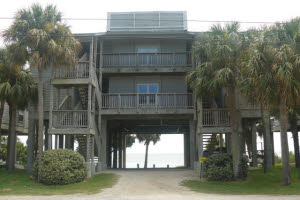
raisedhomecedarkeyElevating residential homes along the coast in Cedar Key is an accommodation strategy.

2. Protection – Protection strategies mitigate the impacts of rising seas through defensive mechanisms. Armoring is a “hard” structural strategy that is used often in historically significant areas. Seawalls and riprap are used in certain parts of Levy County to protect development. Beach renourishment is a “soft” protection strategy that is used by coastal communities to decrease vulnerability.
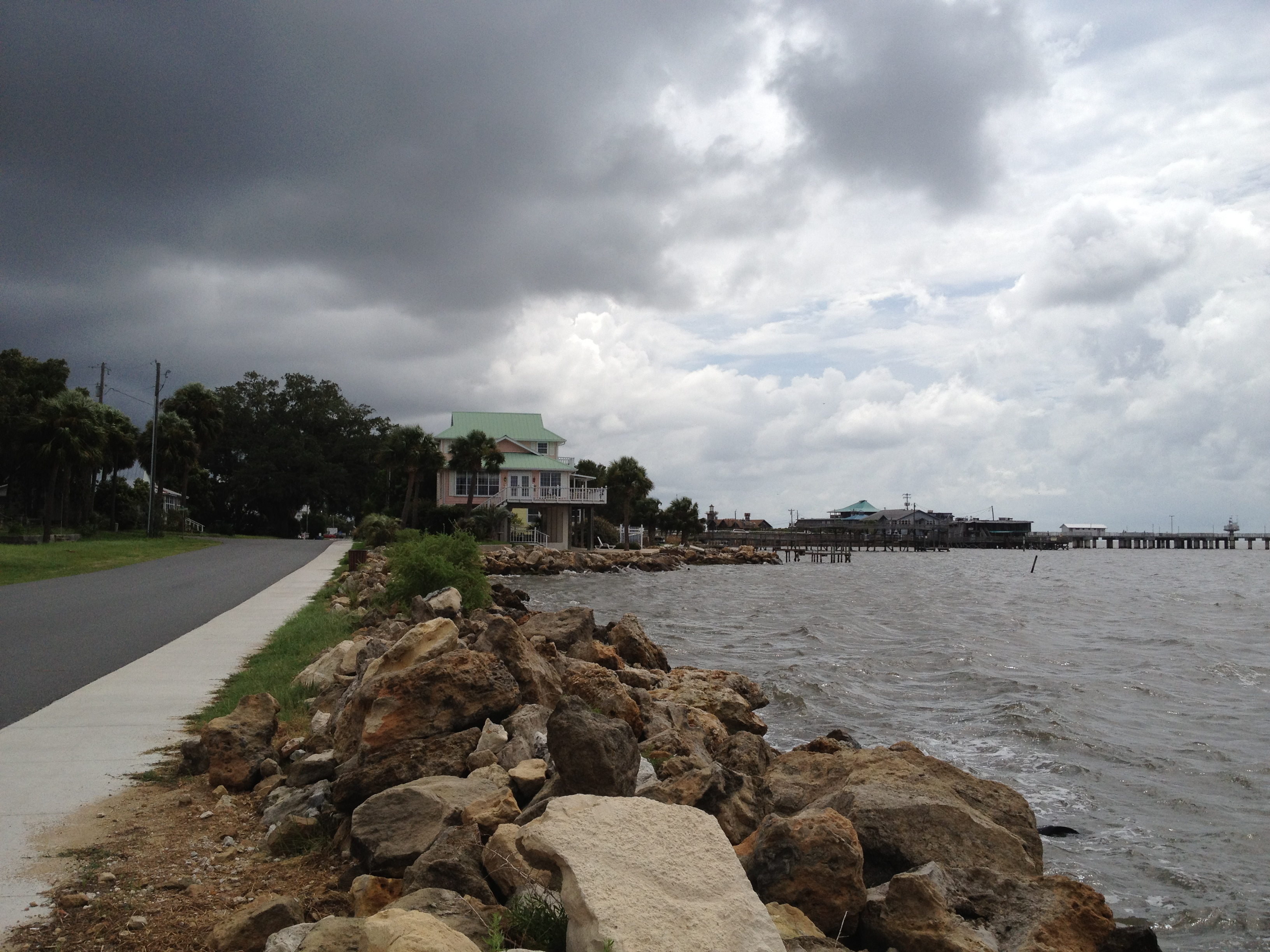
Riprap

Riprap is used to armor certain portions of Cedar Key’s shoreline against erosion from storm events. 

3. Planned Relocation – Planned relocation strategies involve the actual movement of development and infrastructure away from high risk areas. Prompting a relocation includes acquisition of vulnerable areas to prevent future development. Acquisition can occur through transfer of development rights, rollings easements, or conservation easements.
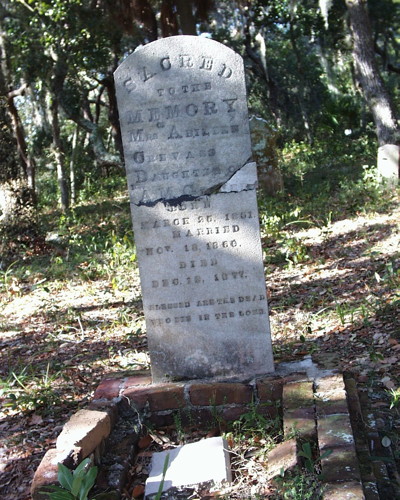
atsenaotieisland

Prior to 1896, Cedar Key’s community was located on Atsena Otie Key. The community retreated and rebuilt in Cedar Key after a hurricane wiped out the entire town. All that remains on its original site is a graveyard.
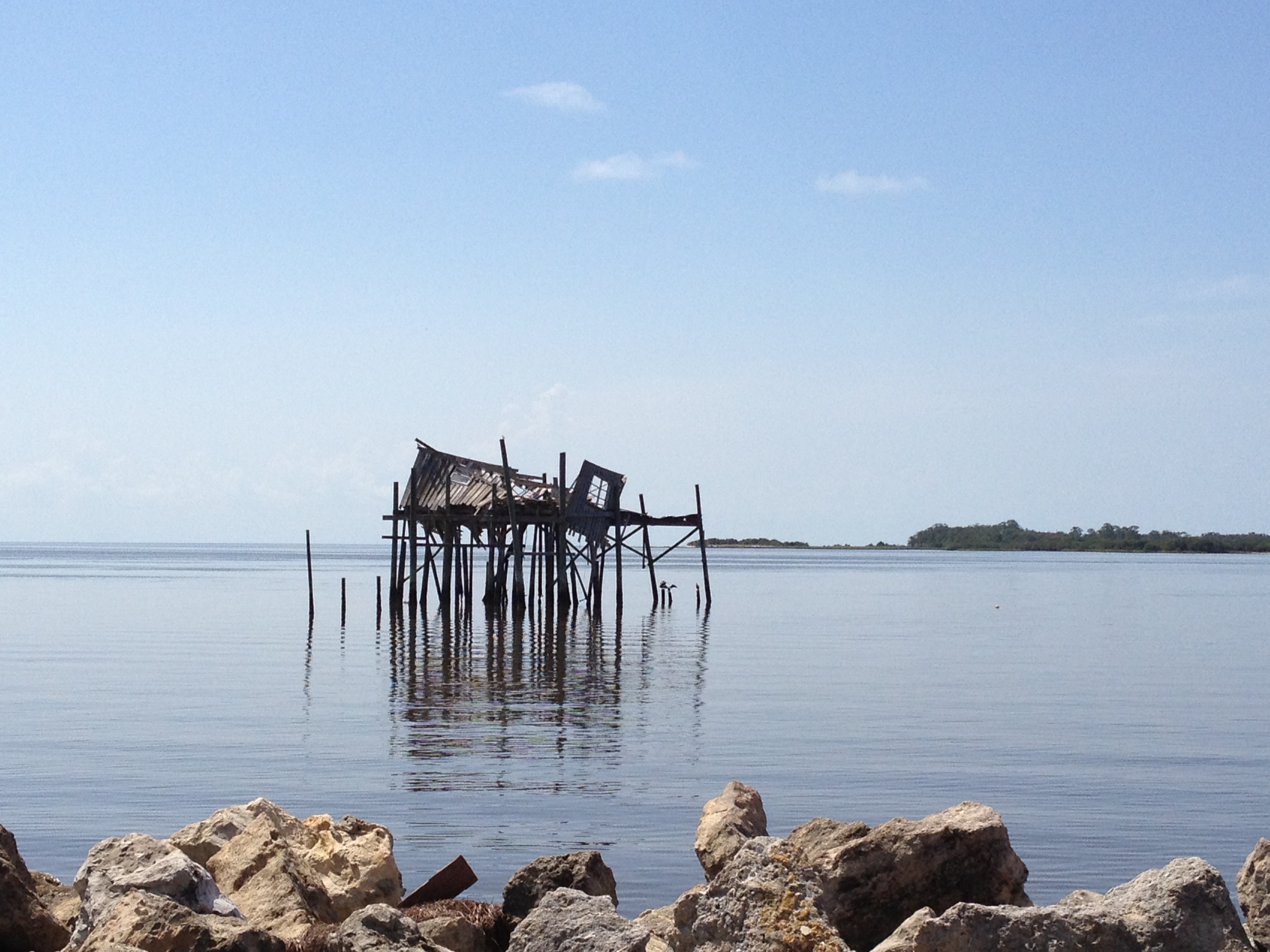
Honeymoon shack

A view of all three strategies over time.  Accommodation was the structure’s beginning and retreat was a decision at some point.  Protection can be seen in the foreground.
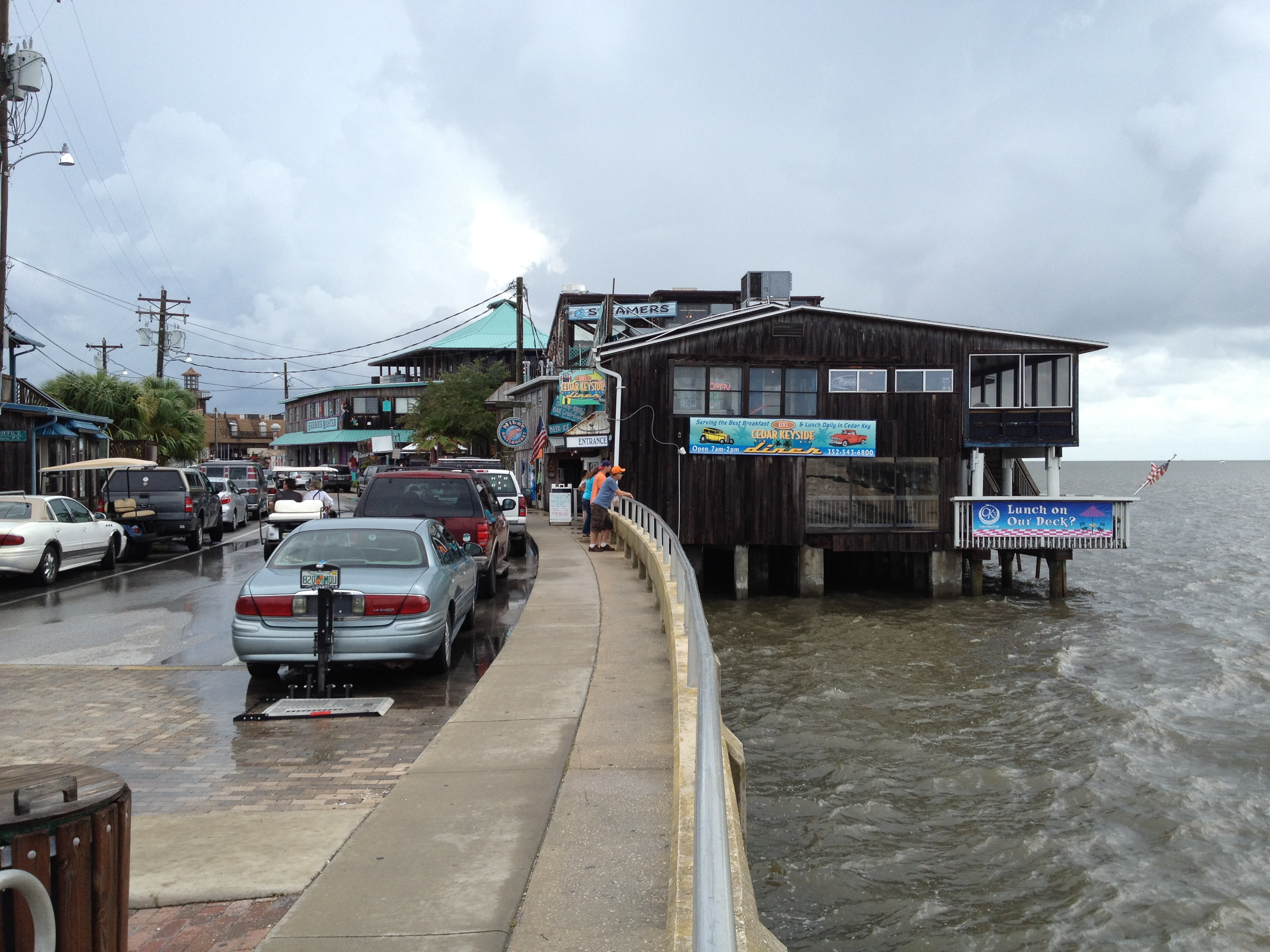
Accomodation_protection

Strategies are often combined along the coast.  Here accommodation is used for the buildings along the waterfront while a protective seawall buffers the roadway.

Posted in Uncategorized | Leave a comment

Adaptive Strategies Workshop – Yankeetown and Inglis

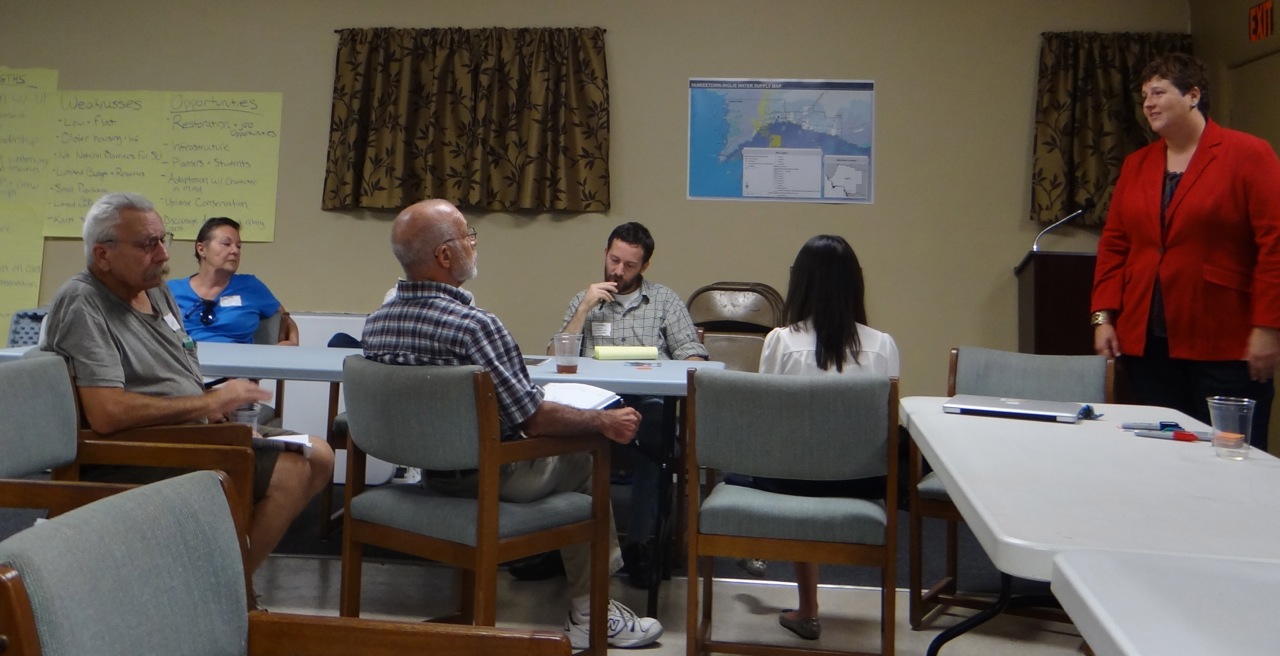
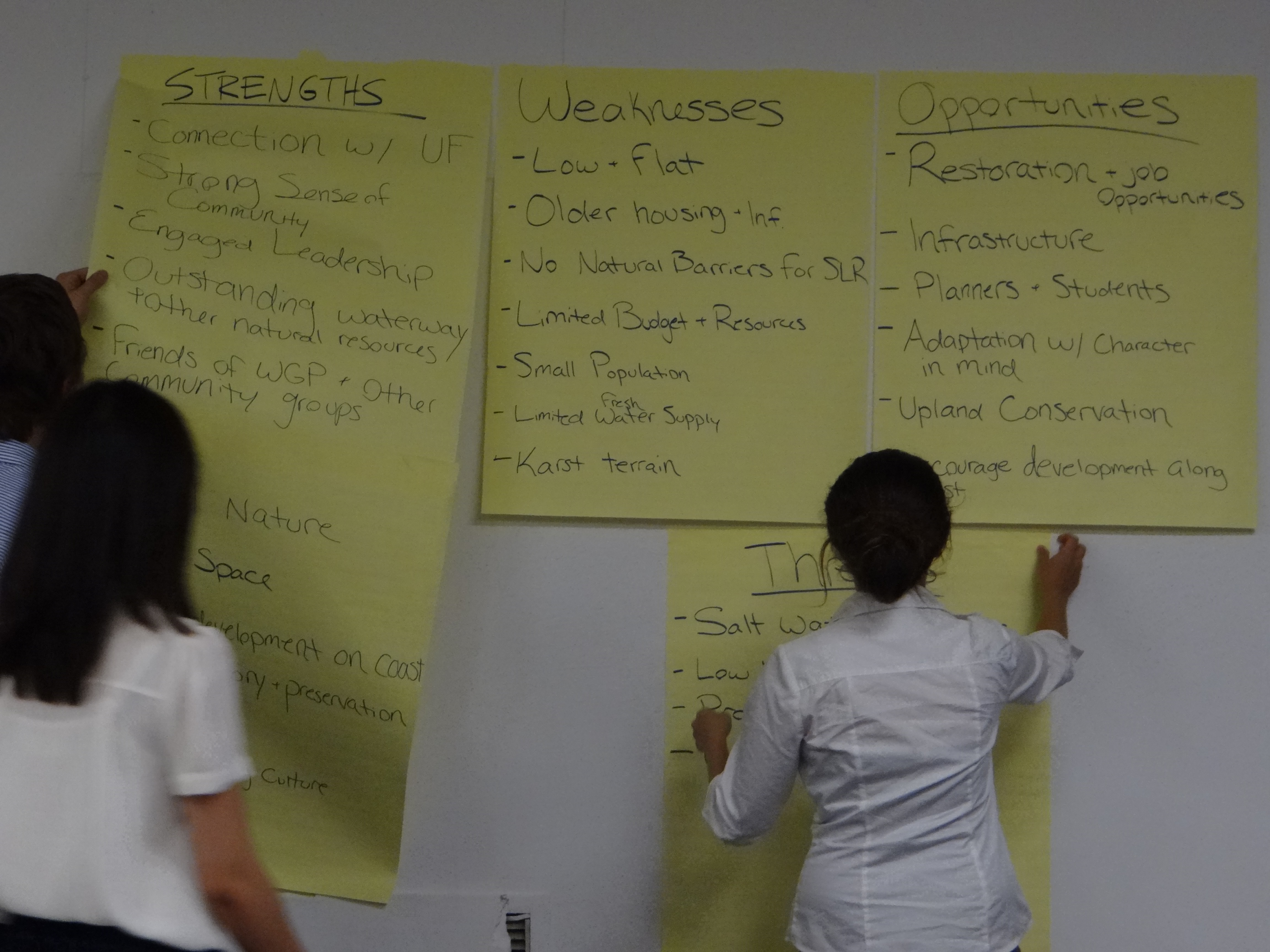
gameOn July 11th, 2013, at the Inglis-Yankeetown Lion’s Club, community leaders and interested citizens gathered for a sea level rise adaptive strategies workshop led by principal investigator Dr. Kathryn Frank, project manager Michael Volk, and University of Florida graduate research assistants Sean Reiss, Rong Zeng, and Jana Rosenbloom. This is the first of two workshops that will be held during the summer of 2013 to identify potential sea level rise adaptation strategies for Yankeetown and Inglis. This first workshop included a presentation of areas in Yankeetown and Inglis that are vulnerable to sea level rise due to low elevation, and activities whereby participants noted areas of current impacts and planning priorities. Participants also formed small groups and engaged in a role-play game to identify preferred, consensus-based adaptation strategies for a hypothetical small coastal community. The project team greatly appreciated the thoughtful insights and contributions of workshop participants. The community input is actively guiding the next phase of work, which is the design of adaptive strategy options that will be presented to the public at a second local workshop in August. The presentation slides from the July workshop are available in the library page, and information about the upcoming second workshop will soon be provided on the events page.

We send two special thanks to Sondra Dame and the Inglis-Yankeetown Lion’s Club for letting us meet in their club, and to Karen Chadwick for sharing her workshop photos with us to include in this post.

038

Photo top: Workshop participants play the adaptive strategies game.

Photo bottom: Results of the “strengths, weaknesses, opportunities and threats” (SWOT) discussion.


Posted in Uncategorized | Leave a comment

Community Input on Adaptation Strategies

During the Spring 2013 Adaptive Design Studio, the project team met with Cedar Key and Rosewood community residents and stakeholders for workshop activities, design presentations, and interviews. Through these interactions, the project team captured local experiences and adaptation preferences. Community members in Cedar Key and Rosewood intimately know what it’s like to live and work on the coast. Many have grown up with an ever-changing coastline, and predictions of future change are no surprise, however the rates and types of changes have become a concern for the community. During discussions about maintaining community assets, many residents preferred “soft” strategies that are integrated with the natural environment, as opposed to “hard” engineering fixes such as sea walls, since preserving a healthy and beautiful landscape is critical to local economic sectors and ways of life. Innovative, integrated design of the built environment and infrastructure will be a key element of successful adaptation to sea level rise and other coastal change.

clamfarming

Clam farming in the Cedar Key area is a profitable industry that relies on a healthy estuarine system. The estuarine water must contain the right nutrients, salinity, and water quality for the clams to thrive.

Posted in Uncategorized | Leave a comment

Project Facebook Page

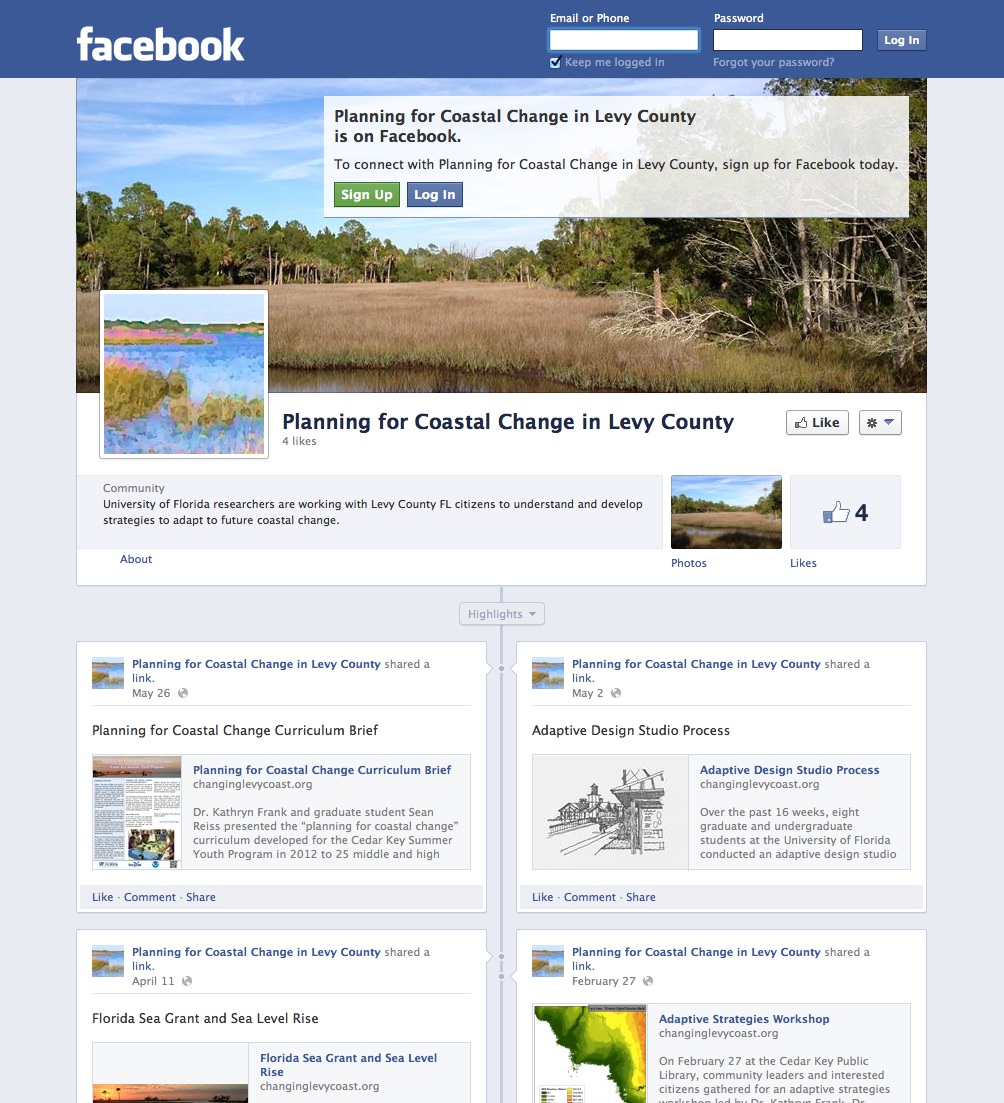
The Planning for Coastal Change in Levy County project has a new Facebook page! The page operates in tandem with the main project website, ChangingLevyCoast.org, to apply one of the most powerful social media tools to share the latest project activities and upcoming events. When you visit our Facebook page, “like” it for convenient, timely updates on the project. Liking and sharing the page also promotes the project and helps us reach a wider audience.

facebook page

Posted in Uncategorized | Leave a comment

Planning for Coastal Change Curriculum Brief

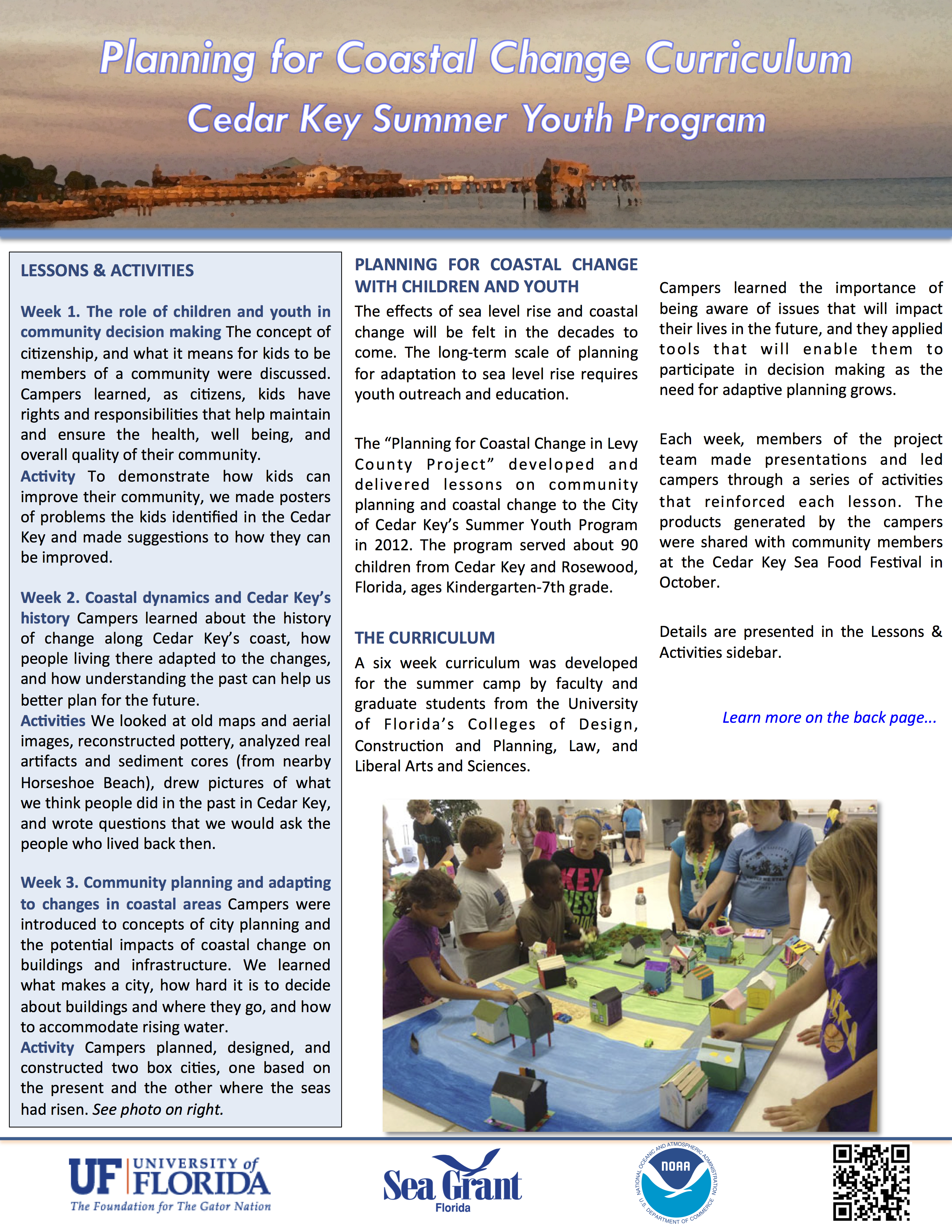
Dr. Kathryn Frank and graduate student Sean Reiss presented the “planning for coastal change” curriculum developed for the Cedar Key Summer Youth Program in 2012 to 25 middle and high school teachers from across Florida who were attending a symposium on climate change at the University of Florida on May 24, 2013. For the presentation, Sean and Kathryn created a handy Planning for Coastal Change Curriculum brief. The brief describes the lessons and activities for each of the six weeks of the program, as well as tips for success. The teachers praised the project for involving children and youth in the planning process, and for sharing the methods with the teachers for use in their classrooms and communities.

Summer Camp Brief

Posted in Uncategorized | Leave a comment

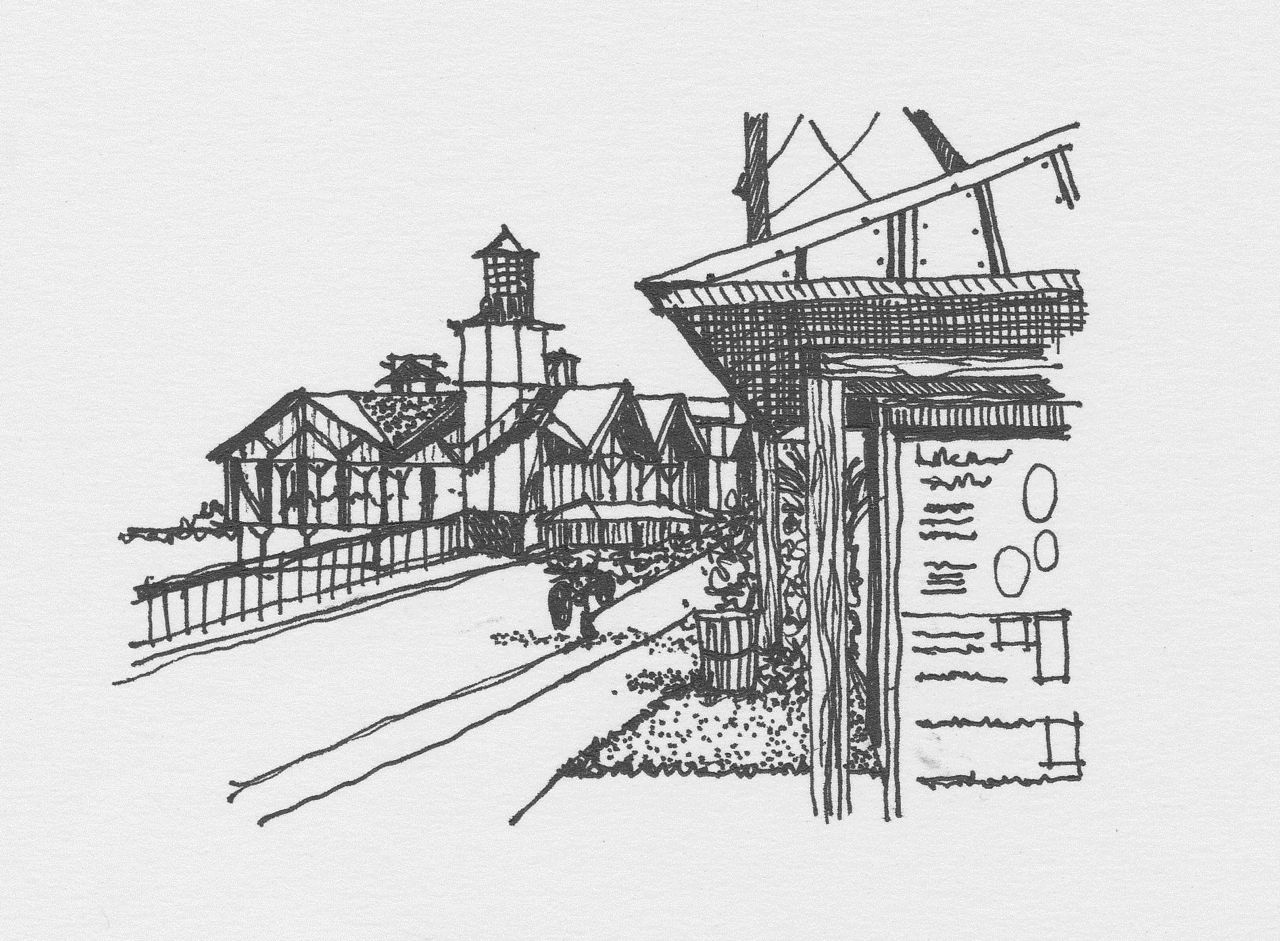
Adaptive Design Studio Process

sketch3crop

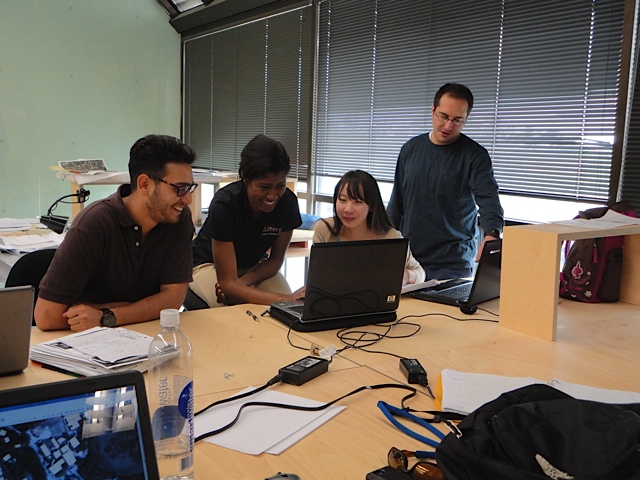
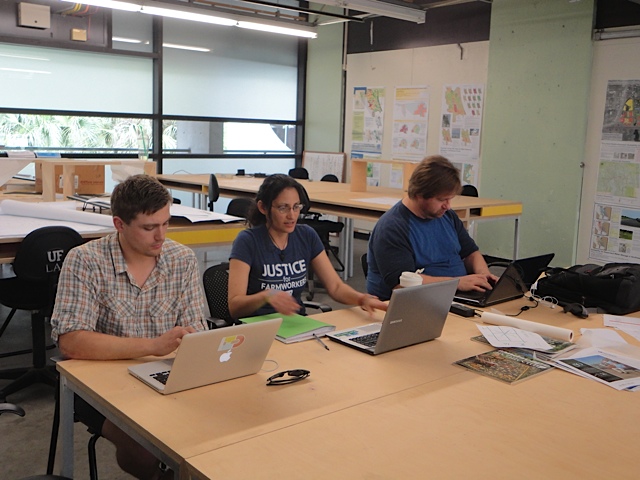
Over the past 16 weeks, eight graduate and undergraduate students at the University of Florida conducted an adaptive design studio course led by Dr. Joseli Macedo. The class focused on the Cedar Key-Rosewood area and identified community-based strategies to adapt to sea level rise and other coastal changes. The class followed a seven-step analysis, public input, and design process:

  1. Inventory social and geographic data about demographic, economic, infrastructure, and environmental conditions.
  2. Visit the study area and perform a visual analysis.
  3. Facilitate citizen and community leader input, i.e., public participation.
  4. Identify community strengths, weakness, opportunities, and threats, i.e., SWOT analysis.
  5. Conduct case studies of other places that have implemented adaptive strategies.
  6. Analyze the interplay between the form and functions of the built environment and potential sea level rise impacts.
  7. Make recommendations for adaptive strategies using community design principles.

The students presented the results of this process to community members at the Cedar Key Arts Festival on April 13-14, and at the Cedar Key Public Library on April 24. The studio class thanks the Arts Festival and Library for the venues, and everyone who came to these events and provided valuable feedback. This feedback will continue to inform the larger project, Planning for Coastal Change in Levy County. More information about the adaptive design studio analyses and recommendations will be posted on this website over the next several weeks.

Design Studio 1

Design Studio 2

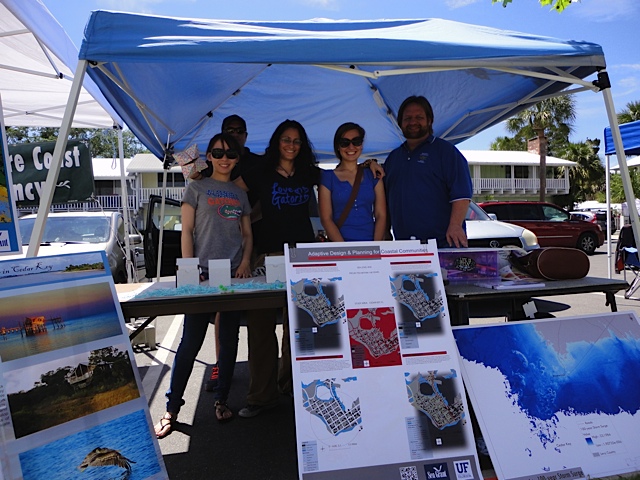
Cedar Key Arts Festival

Posted in Uncategorized | Leave a comment

Adaptive Strategies Workshop

elevation

On February 27 at the Cedar Key Public Library, community leaders and interested citizens gathered for an adaptive strategies workshop led by Dr. Kathryn Frank, Dr. Joseli Macedo, graduate research assistant Sean Reiss, and the students of this semester’s coastal design studio course in Urban and Regional Planning at the University of Florida. The workshop included a presentation of areas in the Cedar Key-Rosewood area that are vulnerable to sea level rise due to low elevation, and activities whereby participants noted areas of current impacts and planning priorities. Participants also formed small groups and played a game to identify preferred, consensus-based adaptation strategies for a hypothetical island community. The project team and studio class greatly appreciated the thoughtful insights and contributions of the workshop participants. This input will guide the studio class design of adaptive strategies options that will be presented to the workshop participants and the public in April. The presentations slides from the workshop are available here: Adaptive Strategies Workshop Feb 27 2013.

Posted in Uncategorized | Leave a comment

Ecosystem Services and Sea Level Rise

Ecosystem services are the various benefits (goods and services) that humans receive from natural systems such as estuaries, wetlands, and forests. These services are often undervalued and taken for granted. The international Millennium Ecosystem Assessment identified four categories of ecosystem services: provisioning services such as food and water; regulating services such as flood and disease control; cultural services such as spiritual and recreational benefits; and supporting services such as nutrient cycling that maintain the conditions for life on Earth.

Sea level rise and coastal change are threatening ecosystem services such as flood mitigation, storm surge protection, and water quality treatment. For example, coastal forests help reduce the inland impacts of flooding and major storm events, but as sea level rises and the forests retreat, the capacity of the forests to buffer storms will diminish. This may result in increased flood damage to infrastructure and capital investments. The potential negative impacts of sea level rise and coastal change on ecosystem services, and consequently coastal communities, makes it critical to begin planning for future changes now.

Ecosystem Services

Posted in Uncategorized | Leave a comment

Conclusion of the Civic Engagement Studio

As the fall semester comes to a close, the studio class would like to wish our professor, Gail Easley, a wonderful retirement. Gail has been an invaluable asset to the studio. Her experience, leadership, and charisma contributed greatly to the success of the studio’s public outreach. All the students have benefited from her guidance and will carry her advice with us throughout our professional careers. We wish you the best of luck in you future endeavors and thank you for a wonderful studio experience!

Information gathered from the fall studio’s public outreach will inform next semester’s Spring Studio course focused on design and adaption strategies for coastal change in Levy County. Dr. Joseli Macedo, Director of the Center for International Design & Planning, will teach this course.

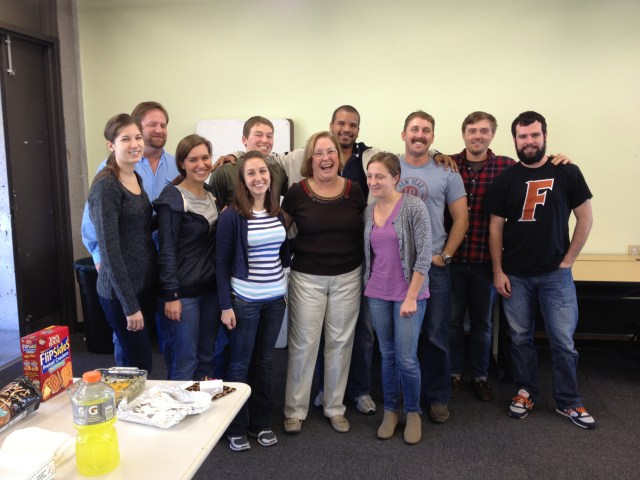
The Civic Engagement Studio class with Gail Easley:

Last+Class


Posted in Uncategorized | 1 Comment

Yankeetown Seafood Festival

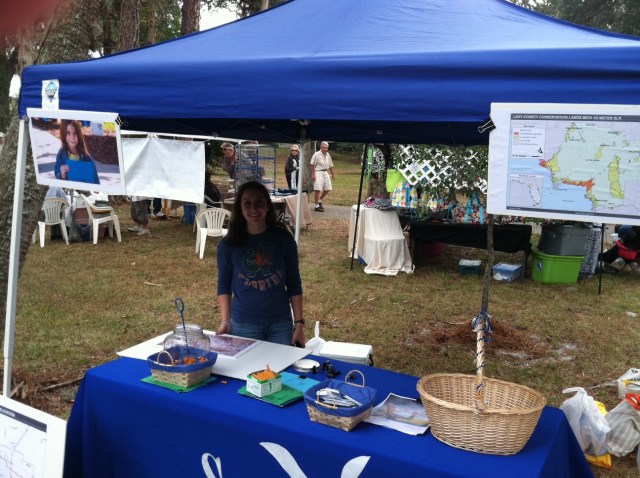
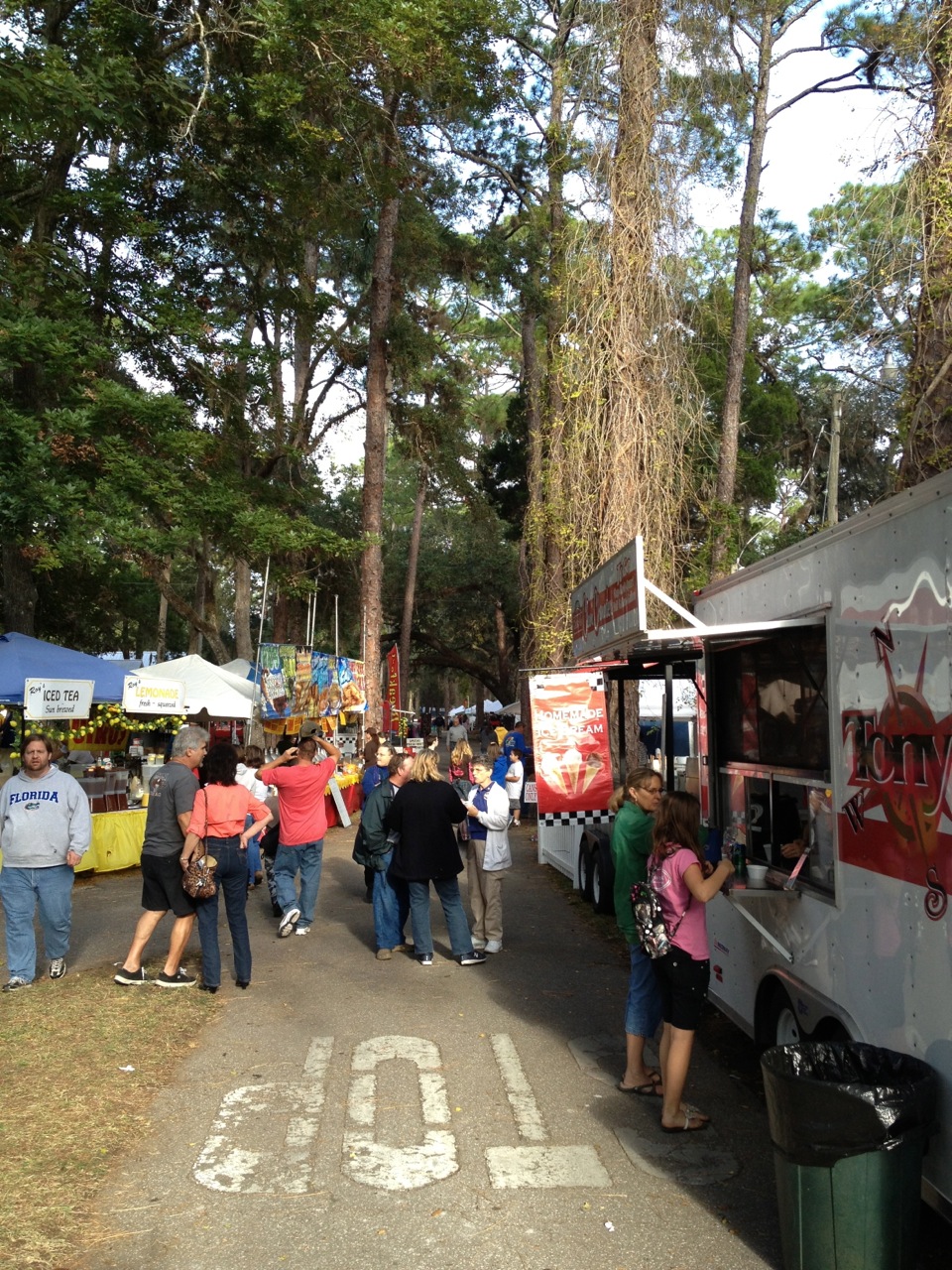
The Coastal Engagement Studio had another opportunity to meet residents and visitors of Levy County at the 31st Annual Yankeetown Seafood Festival on November 17-18.  The festival hosted hundreds of tents offering food, crafts, and outreach. Our booth displayed project information, including local sea level rise projection maps, and we spoke with many people who showed a keen interest in coastal change. The booth also featured activities for children, including coastal-themed word search puzzles, writing letters to the sea, and ‘fishing’ for goldfish crackers. We greatly appreciate the Inglis-Yankeetown Lions Club for giving us the opportunity to participate in the festival. We would also like to thank everyone who stopped by and shared their thoughts with us. Citizen input is vital to this project, and it will help shape future project activities.

Yankeetown Seafood Festival

WGP Duck Race

Posted in Uncategorized | Leave a comment